
IMAKATSU MJ PROP – A Prop Bait That Uses Its Entire Body to Move Water
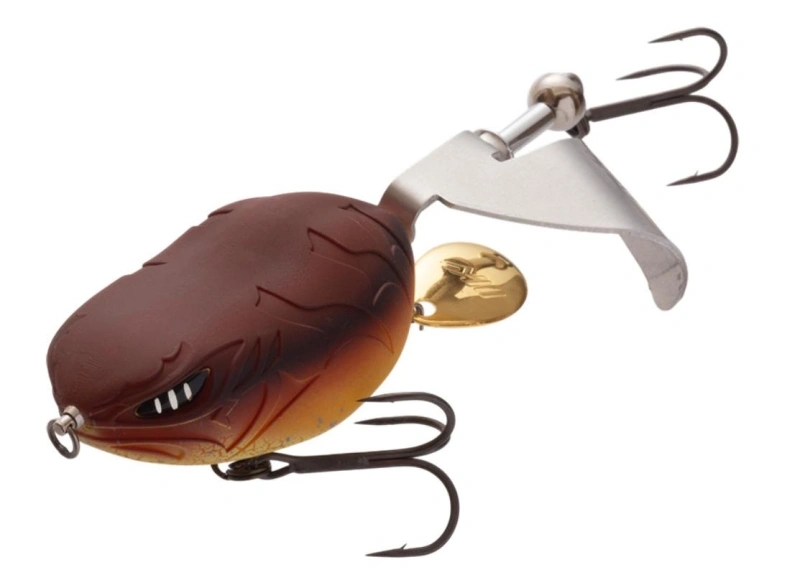
IMAKATSU has introduced a very different approach to the classic single-wing prop bait with the new MJ PROP.
At first glance, it may look like another noisy topwater lure built around a prop and blade.
But the main idea behind the MJ PROP is different.
The prop is not the only part of the lure creating attraction.
The entire body is designed to move water.
The MJ PROP measures 105mm, weighs 23g, and is a floating model. IMAKATSU developed it with long casting performance, hooking efficiency, and enough body presence to appeal to bass feeding on larger baitfish in mind.
Full-Body Surface Action
The most distinctive feature of the MJ PROP is its rounded, almost flattened body shape.
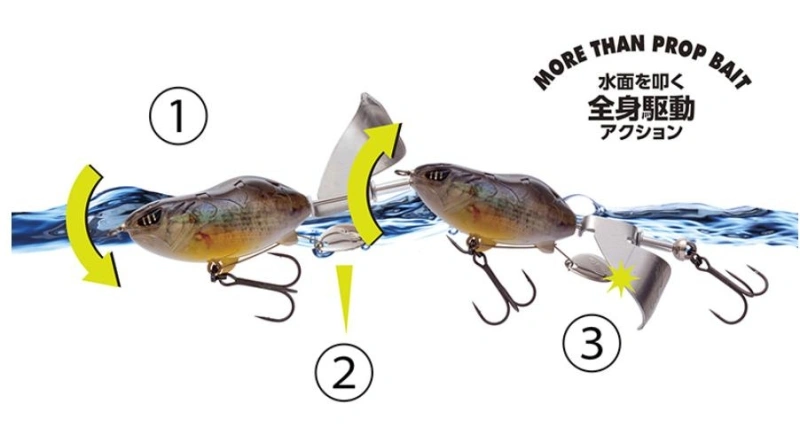
The rotation of the single-wing prop naturally creates movement in several directions. IMAKATSU designed the body to amplify this movement, causing the lure itself to move vertically and aggressively push against the surface.
In other words, the prop creates the motion, but the body turns that motion into additional water displacement.
IMAKATSU calls this concept “full-body action.”
Instead of relying only on prop spray and sound, the MJ PROP combines them with the stronger physical presence of the body itself.
That gives the lure a different type of surface disturbance from a conventional buzzbait or simple prop bait.
Removable Belly Blade
A blade is mounted underneath the body, but it can easily be removed.
With the blade attached, the lure gains additional flash and sound.
In clearer water, confined areas, or situations where less attraction is desirable, the blade can be removed to tone things down.
Even without the blade, however, the body itself still creates substantial water movement.
This gives anglers a simple way to adjust the lure's overall presence without changing to a completely different bait.
Prop + Blade = MIX Sound
Another interesting feature is the interaction between the single-wing prop and the belly blade.
As the two components work together, they generate a distinctive knocking sound.
Rather than producing only an above-water mechanical noise, the design is intended to transmit that sound into the water, while the blade simultaneously adds flash.
This combination can be especially useful when visibility is poor, including stained water or other situations where bass may rely more heavily on sound, vibration, and water displacement.
Designed for Difficult Conditions
IMAKATSU specifically highlights situations such as the high-water-temperature period of midsummer, turnover, and deteriorating water quality as conditions where the MJ PROP can show its strength.
These are often situations where feeding opportunities can become limited and getting a fish to react during a short window can be important.
The MJ PROP approaches those fish with several different attraction elements at the same time:
prop spray, body movement, water displacement, sound, and blade flash.
Reduced Line Twist
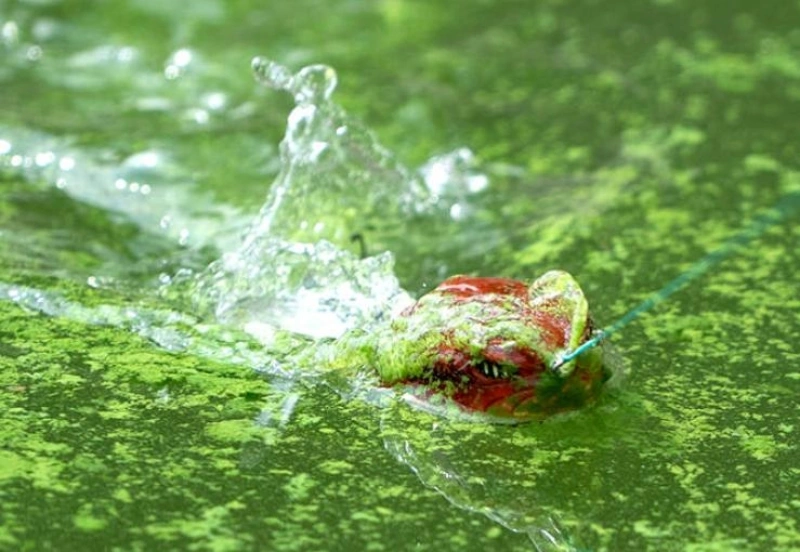
A swivel is incorporated into the line eye to help reduce line twist.
IMAKATSU recommends retrieving the lure at a moderate speed that keeps the action stable. If the entire body begins to spin, the retrieve is too fast.
IMAKATSU MJ PROP Specs
Length: 105mm
Weight: 23g
Type: Floating
The MJ PROP is an interesting new interpretation of the single-wing topwater concept.
Instead of asking only how much noise or spray can be generated by the prop, IMAKATSU has focused on making the lure's entire body part of the action.
For anglers who like aggressive surface fishing—especially when they need a bait with plenty of sound, vibration and physical presence—the MJ PROP is definitely one of the more unusual Japanese topwater releases to watch in 2026.
NEW PRODUCT SPOTLIGHT 2026-09-07 18:14